앨범 소개
한글
이번 EP는 세 곡이 하나로 이어지는 삼부작(Triptych) 형태로 구성된다. 쇼팽의 작품은 피아니즘의 정수를 보여주는 기교적 작품이다. 이어지는 필립 글래스 작품은 반복과 점진적 변화로 몽환적인 분위기를 만든다. 마지막으로 윤연준의 작품은 UK 개러지 리듬과 화가 이상남의 작품에서 영감을 받은 곡으로, 전통적인 피아노 연주와 현대적 감각이 맞닿아 있는 작품이다
특히 이상남 작가의 Blue Circle No. 4는 이번 프로젝트의 시각적 모티프가 되었다. 이상남이 캔버스 위에 층을 쌓고 갈아내며 깊이와 질감을 만들어가듯, 윤연준의 에튀드는 반복 속 변화를 탐구하며, 인간적 불완전함과 기계적 정밀함 사이의 긴장감을 표현한다.
이번 EP는 류이치 사카모토의 앨범 Playing the Piano 엔지니어 강효민이 녹음, 믹싱, 마스터링을 맡아 완성도를 높였다. 이어지는 시리즈는 5월 발매될 Triptych II에서 한국 현대미술가 고휘의 작품과의 협업, 6월 공개될 Triptych III에서 영국 조각가 Conrad Shawcross와의 협업으로 확장된다.
세 개의 EP는 하나의 정규 앨범으로 완성 될 예정이다. 모든 주요 스트리밍 플랫폼에서 감상할 수 있다.
English
Structured as a triptych, the EP opens with Chopin’s étude—an essential pillar of pianistic virtuosity—before transitioning to Glass’ étude, a piece emblematic of modern minimalism and hypnotic repetition. The journey culminates in Yoon’s own étude, a piece inspired by UK Garage rhythms and the meditative precision found in the paintings of Korean artist Sangnam Lee.
Lee’s Blue Circle No.4 (1993) serves as a visual anchor for the project, mirroring Yoon’s fascination with repetition as both artistic practice and philosophical inquiry. Just as Lee’s layers of acrylic are meticulously ground down in pursuit of depth and texture, Yoon’s étude examines the tension between human imperfection and mechanical exactitude—an exploration of groove, repetition, and the tactile essence of the piano in the digital age.
Masterfully recorded, mixed, and mastered by Hyomin Kang, whose past work includes Ryuichi Sakamoto’s Playing the Piano, Études: Triptych I is the first of three installments. Triptych II, set for release in May, will feature the work of Korean artist Kohui (고휘), while Triptych III, arriving in June, will engage with the kinetic sculptures of British artist Conrad Shawcross. Together, these three releases will culminate in a full album that redefines the étude form for the 21st century.
The release will be available across all major streaming platforms, inviting listeners to immerse themselves in a sonic dialogue between tradition, transformation, and the timeless pursuit of artistic precision.
[Credits]
작곡, 피아노, 편곡 - 윤연준
녹음, 믹스, 마스터 - 강효민
EP 커버 작품 - 이상남 ‘Blue Circle No. 4’
Composition, Piano, and Arrangement - Yeonjoon Yoon
Recording, Mixing, and Mastering - Hyomin Kang
EP Cover Artwork - ‘Blue Circle No. 4’ by Sangnam Lee
| 01 | 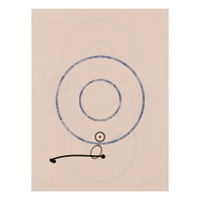 |
Études, Op. 10: No. 1 in C Major "Waterfall" 윤연준(Yeonjoon Yoon) | |
| 02 | |
Études for Solo Piano, Book I: Étude No. 2 윤연준(Yeonjoon Yoon) | |
| 03 | |
윤연준(Yeonjoon Yoon) | |