앨범 소개
국립국악원 생활음악 시리즈 25집
25th Album of National Gugak Center’s Daily Music Series
[Song Review]
01 하늘 높이 날아 올라 Flying high in the sky
신나는 국악 EDM(Electronic Dance Music)을 콘셉트로 하여 작업하였는데, EDM 스타일의 비트에 국악 타악기들이 자연스럽게 결합되도록 구성하였습니다. 천년만세 중 ‘양청도드리’의 선율을 모티브로 하여 발전시켰으며, 중반부에 여창 가곡 우락의 선율이 출현하며 몽환적인 느낌을 자아냅니. 실제 녹음 악기는 사물놀이 악기들과, 소금, 태평소인데 피치가 높거나 음량이 큰 악기들을 사용해서 하늘 높이 비상하는 듯한 느낌을 표현했습니다. 특수악기들(나발, 나각, 박, 공, 종경, 정주, 징 등)은 국악 가상악기를 사용해서 작업하였습니다.
This piece was based on the concept of a vibrant traditional Korean music-style EDM (Electronic Dance Music) and was composed so that the EDM-style beat would blend seamlessly with the traditional percussion instruments. The motif of this piece was the “Yangcheong dodeuri” melody from Cheonnyeon Manse. The Yeochang Gagok Woorak melody appears in the middle part, evoking a dreamlike atmosphere. The piece was recorded with samulnori instruments and the sogeum and taepyeongso, which are high-pitched or have loud volumes that create a soaring feeling. Virtual traditional instruments were used to create the sounds of special instruments (such as the nabal, nagak, bak, gong, jonggyeong, jeongju, and jing).
━
Composition: Soungwhan Yang
Lyrics: Yeochang Gagok Pyeongjo Woorak
Voice: Yoonyoung Cho
02 모란은 Moraneun(Peony blossom Is …)
한국의 전통가곡인 여창 편수대엽은 꽃을 유교에서 중시하는 개념들에 비유하는 노랫말을 가지고있습니다. 원곡의 가사와 선율을 모티브로 하여 발전시켰으며 afro-beats 리듬 위에 자연스럽게 정가 선율을 얹어 현대적이고 대중적인 느낌을 표현했습니다. 국악기들은 매우 제한적으로 출현하는데, 코드와 대선을 연주하는 25현 가야금을 loop의 느낌으로 사용했고, 대금과 해금은 싱코페이션으로 이루어진 단순한 테마를 조금씩 다른 느낌으로 연주하게 하여 변화를 꾀했으며 다른 악기들과 자연스럽게 결합할 수 있도록 하였습니다. 간주 부분에서 5/4박으로 한번 박자가 변화는 부분을 제외하면 기본적으로 일정한 템포의 4/4박자가 사용되었으며 화성은 기본적으로 단순한 단3화음 2개가 반복되는 형태가 반복하는데 보이싱을 다르게 하여 변화를 주었습니다.
The lyrics of Yeochang Gagok Pyeonsudaeyeop, a traditional Korean gagok, use the flower as a metaphor to describe key Confucian concepts. This piece developed the lyrics and melody of the original song and infused it with a modern and popular vibe by seamlessly integrating the jeongga melody with the Afrobeat rhythm. Not many traditional instruments appear in this piece, but the 25-string gayageum that played the chords and daeseon was used in a loop, and changes were made by having the daegeum and haegeum play a simple syncopated theme with subtle variations, allowing them to blend in with the other instruments naturally. The tempo is primarily a steady 4/4, except for one section in the interlude where the rhythm changes to 5/4 time. The harmony consists mainly of repeating two minor triads, but variations were introduced by voicing it differently.
━
Composition: Soungwhan Yang
Lyrics: Yeochang Gagok Gyemyeonjo Pyeonsudaeyeop
Voice: Yoonyoung Cho
03 나나니 타령 Nanani Taryeong
'나나니타령'이라고도 불리우는 '연평도 난봉가'의 후렴구를 차용하여 경쾌한 Hip-Hop / K-Pop 느낌으로 작곡한 곡입니다.
인트로와 간주에는 동살풀이 장단을 기초로 한 Beat를 얹었으며, 가야금이 후렴에서 주된 Riff를 연주하며 리듬감을 더합니다. 장구, 북, 꽹과리 등 타악 장단은 동살풀이와 휘모리를 혼합하여 사용하였습니다.
우리의 서도 민요가 사실은 트렌디한 음악과 어울릴 수 있는 요소들이 굉장히 많다고 생각하여 후렴구는 원곡의 후렴을 그대로 차용하여 듣는 이에게 원곡을 찾아 들어보고자 하는 생각을 불러일으키도록 만들어 보았습니다.
가사에서는 떠나간 임에 대한 미련이 담겨 있는 원곡 가사에서 영감을 받아 우리의 인생과 사랑에서 미련이 남는 우리의 모습을 담았습니다. 그 미련을 버리고 그저 춤추며 놀아보자는 메세지를 통해 ‘연평도 난봉가’의 후렴구와 연결을 지었고, 브릿지 가사는 연평도 난봉가의 가사인 “돌아오네 돌아를 온다네 버렴뿌리 배 돌아오네”에서 착안하여 우리가 미련을 버리고 그저 춤추며 앞으로 전진했을 때 우리가 미련을 가질 땐 돌아오지 않던 모든 것들이 다 돌아오는 모습을 "돌아오네 다 돌아오네 어렴풋이 모두 돌아오네"라는 가사로 표현하였습니다.
This piece was composed with an upbeat Hip-Hop / K-pop feel, borrowing the chorus of the “Yeonpyeong-do Nanbonga,” also called the “Nanani Taryeong.”
The introduction and interlude use a beat based on the dongsalpuri jangdan, and the gayageum plays the main riff in the chorus, adding to the rhythm. The dongsalpuri and hwimori were combined for the jangdan for percussion instruments, including the janggu, buk, and kkwaenggwari.
The chorus borrowed the chorus of the original piece in its entirety to encourage listeners to listen to the original music, thinking that the Seodo minyo has the potential to mingle well with trendy music.
The lyrics that reflect our regrets in life and love were inspired by the original song, which expresses lingering emotions for a past lover. The song is linked to the chorus of the “Yeongpyeong-do Nanbonga” through its message of letting go of such regrets through dancing and enjoying ourselves. The lyrics of the bridge part, “They come back, they all come back, they vaguely all come back,” were inspired by the lyrics of the Yeonpyeong-do Nanbonga, “It comes back, it comes back, the boat vaguely comes back” to express that when we let go of all regrets and dance and move forward, all the things that did not return to us when we had regrets would come back to us.
━
Composition: Woongwon Han
Lyrics: Woongwon Han
Voice: Woongwon Han, Hyosun Jang
04 다시 시나위 Sinawi Again
도입부의 편종과 편경 소리를 통해 마치 우리가 시나위 할 곳으로 타임머신을 타고 가는 듯한 모습을 표현하였습니다.
음악의 주된 모티브는 수제천의 도입부 음을 차용하여 작곡하였고, 장구의 흘림 장단과 Funky한 일렉트로닉 비트를 혼합하여 우리의 시나위 정신이 세상의 모든 음악과 만날 수 있다는 지점을 표현하려 하였습니다.
후반부부터 이어지는 사물놀이의 장단은 헤미올라를 사용하여 마치 서로 다른 박자를 연주하는 듯한 느낌을 주었고, 일렉트릭 피아노의 Riff후 이어지는 부분은 4박 위에 엇모리 느낌의 Poly Rhythm을 만나게 하여 보다 복잡하게 얽히는 여러 음악적인 만남의 지점을 표현했습니다.
The pyeonjong and pyeongyeon sounds in the introduction were used to portray us getting on a time machine to go to the place to play sinawi.
The central motif of the music was based on the intro melody of the Sujecheon, and the heullim jangdan of the janggu was mixed with funky electronic beats to demonstrate that the spirit of sinawi can meet with all types of music in the world.
The samulnori jangdan that begins in the second half of the piece uses the hemiola to give the impression of playing different beats, and the part that follows the electric piano riff meets the utmori-like polyrhythm on top of the four beats, thereby representing a more complex musical meeting point.
━
Composition: Woongwon Han
05 Rise Up
힘찬 기합과 같은 노래부분으로 시작되어 곧 날아오르리라는 힘찬 포부를 담은 곡입니다.
Bb마이너의 곡으로, 이 곡에서는 국악기 외에도 다양한 신디사이저와 음향 효과가 사용되어진 만큼 국악적 요소와 전자악기들이 잘 어우러질 수 있도록 특히 음역대를 고려하여 작곡하였습니다.
중간의 “펄펄 끓는 굳은 의지~”부터 F메이져로 바뀌는 8마디는 템포가 2배로 빨라지지만, 한국적인 리듬과, 국악적인 시김새를 잘 표현해 보고자 하였습니다. 이어지는 후렴부에서는 도약에 대한 기대감을 점점 고조시킵니다.
가사의 메인주제는 한사람 한사람의 인생이 모두 영웅기이며, 이제 날아오를 당신을 응원한다는 의미를 담은 곡입니다. 이러한 주제를 가장 잘 표현하고 있는 판소리 대목인 적벽가 ‘삼고초려’ 중에서 일부(당당한 유현주는 수수과슬 영웅이라)를 후렴부에 차용하였습니다. 중간의 랩부분에는 판소리에서 사용되는 추임새를 사용하여 랩에 국악적인 요소를 반영하였습니다.
This piece begins with a powerful shouting song conveying the strong determination to rise up.
This Bb minor piece employs various synthesizer sounds and sound effects along with traditional instruments and was composed with particular attention to the register so that the traditional and electronic instruments would blend well together.
The eighth measure, which changes to F major from the “a boiling hot determination” part in the middle, doubles in tempo, but I tried to express both the Korean rhythm and the traditional sigimsae through it. The following chorus builds up on the anticipation for the leap forward.
The central theme of the lyrics is that every one of our lives is heroic and that this song encourages those who will soon make the leap. The chorus borrows a line from the song “Samgochoryeo” in the pansori Jeokbyeokga (proud Commandant Liu is a hero with long arms), which best depicts this theme. Chuimsae, which is used in pansori, was incorporated into the rap section in the middle of the song, adding a traditional touch to the music.
━
Composition: Cine Chung
Lyrics: Cine Chung
Voice: Junseok Go
06 Moon Dance
미디움템포의 곡으로 시티팝적인 요소를 담은 곡입니다.
중저음의 거문고와 맑은 음색의 가야금, 양금을 사용하여 달이 뜬 밤의 고요하고 신비로운 느낌을 표현했습니다. 특히 정가의 맑은음색과 특징있는 시김새를 사용해 달밤의 그대와 춤을 이라는 이 곡의 메인테마를 한 층 더 잘 표현해 줍니다.
이 곡은 대중 음악 안에 한국적인 요소를 가미하여 우리 음악과 한국 문화에 대해 처음 접하는 사람들과 더욱 더 폭넓은 연령층이 즐길 수 있도록 제작하였습니다.
달밤에 그대와 함께 춤을 이라는 주제를 표현한 이 곡의 가사는 ‘계수나무’와 ‘달달 무슨달’과 같이 달과 관련된 한국문화에 대한 표현을 고민하였습니다. 특히 후렴부분에는 여창가곡 계면조 ‘평롱’의 일부분인 ‘북두칠성 서이 너이…’를 차용하여 더욱 신비롭고 한국적인 느낌을 내기위해 고민하였습니다. 또한 부분적으로 영어 가사를 통해 더욱더 다양한 문화권의 사람들이 우리의 문화와 국악을 편하게 즐길 수 있도록 하였습니다.
This piece is a medium-tempo song with city pop elements.
The middle- to low-tone geomungo and the clear-toned gayageum and yanggeum were used to evoke the tranquil and mystical ambiance of a moonlit night. The clear notes of jeongga and the characteristic sigimsae enhance the song’s main theme of dancing with you in the moonlight.
This piece added traditional Korean musical elements to popular music so that it can be enjoyed by newcomers to traditional music and Korean culture and people of all ages.
For the song lyrics, which express the theme of dancing with you in the moonlight, I pondered on how to express Korean culture related to the moon, such as the “laurel tree” or “moon, moon what moon.”
The chorus part, in particular, was based on the part of “Pyeongrong” of the Yeochanggagok Gyemyeonjo, “three, four of the Big Dipper,” to create a more mystical and Korean feel to the song. English lyrics were also partly introduced so that people with diverse cultural backgrounds could enjoy our culture and traditional Korean music.
━
Composition: Cine Chung
Lyrics: Cine Chung
Voice: uju(우주), Yoonyoung Cho
07 응원가 Eungwonga
이 곡은 빠르고 경쾌한 리듬이 특징이며, 상승하는 선율 진행에 판소리가 더해져 에너지 넘치고 시원시원한 우리 가락의 매력을 돋보이게 합니다. 국악기인 거문고와 루프성 짙은 4마디 테마를 반복하여 중독성 있는 리듬감이 특징이며 현대적인 리듬의 서양악기와 국악기의 우아한 음색의 조화로 세련된 분위기를 자아내어 독특한 매력을 더합니다. 통통 튀는 국악기의 음색이 마치 축제나 잔치를 연상시키며 지친 일상에 활력을 불어넣고 이를 통해 듣는 이에게 긍정적인 에너지를 전달하고자 합니다.
가사에서는 우리의 꿈을 향한 도전을 주제로 하며, 높은 청천과 아름다운 자연을 배경으로 함께하는 즐거움과 신명을 강조합니다. “일어나라”라는 반복적인 구절은 힘찬 격려와 화합의 의지를 나타내며, 서로 손을 잡고 나아가자는 메시지를 전합니다. 또한 “높다 다다닥”, “붉은기 펄럭 북소리 쿵덕”과 같은 소리는 발음할 때 재미있는 말맛이 돋보이며, 경쾌한 리듬과 자연의 요소들이 어우러져 축제 분위기를 조성합니다. 전반적으로 이 곡은 희망적이고 긍정적인 에너지를 불어넣으며, 모두가 함께 꿈을 향해 나아가자는 강한 메시지를 전달합니다.
This piece features a fast, upbeat rhythm, with a rising melodic progression and pansori that amplify the vibrant and brisk appeal of the traditional Korean melody. The geomungo, a traditional instrument, and the looped four-bar theme are repeated to create an addictive rhythm, and the combination of the modern rhythmic Western instruments with the elegant tone of the traditional instruments creates a refined atmosphere and adds to the song’s unique appeal. The bouncy tones of the traditional instruments are reminiscent of a festival or feast and bring energy to our tiring days and deliver positive energy to the listeners.
The lyrics are centered on the challenge for our dreams, emphasizing the joy and excitement of being together under the backdrop of a high and clear sky and beautiful nature. The repeated phrase " Rise” is a strong word of encouragement and a commitment to unity, sending the message that we all hold our hands to go forth. Phrases like “Nopda dadadak” and “Bulgeungi peolleok buksori kungdeok” are fun to pronounce, and the upbeat rhythms and natural elements are combined to create a festive atmosphere. Overall, this song delivers hopeful and optimistic energy and sends a strong message encouraging everyone to follow their dreams together.
━
Composition: Hanseul Bae
Lyrics: Minjung Seung
Arrangement: Soungwhan Yang
Voice: Junseok Go
08 별곡 Farewell Song
이 곡은 마이너 조성에서 감정의 깊이를 강조하며, 8분의 6박자가 주는 긴장감 있는 리듬과 섬세하고도 강렬한 보컬이 특징입니다. 국악의 굿거리 장단에서 영감을 얻어 서양악기 드럼으로 표현하였고, 다이나믹 넘치는 진행 속에서 가야금의 리드미컬한 모티프를 반복해 곡의 중심 리프 테마를 형성합니다. 그 위에 해금이 구슬픈 음색으로 감정을 고조시켜 곡에 애수와 서정적인 분위기를 한층 더해줍니다.
가사는 고려 가요 ‘가시리’에서 영감을 받았습니다. 떠난 임을 향한 애절한 그리움과 홀로 남겨진 고독을 ’밤바람‘ 이나 ‘가물어가는 흙’ 과 같이 자연 속 이미지로 표현하며, 반복적 구절과 시적인 표현을 통해 이별의 슬픔과 서정성을 강조하고 있습니다. ‘별곡’은 이별곡이라는 뜻도 있지만 한국 전통 음악에서 특정한 형식이나 스타일의 곡을 지칭할 때 사용되기도 합니다. 전통적인 요소와 현대적 감각을 더해 새롭게 탄생한 이 곡은 별곡의 중의적 의미를 담고 있습니다.
This song emphasizes the depth of emotions in the minor key and features a tense 6/8 rhythm and a delicate yet powerful vocal performance. Inspired by the gutgeori jangdan in traditional music, this piece used Western drums and repeated the rhythmical motif of the gayageum in a dynamic progression to create the central riff theme. The haegeum heightens the emotions through its sorrowful tone, adding to the song’s melancholic and lyrical atmosphere.
The lyrics were inspired by the Goryeo song “Gasiri.” Natural images, such as the “night wind” or “drying earth,” portray the mournful longing for a departed lover and the feeling of being left alone, and the repeated phrases and poetic language emphasize the sadness and lyricism of the parting. “Byeolgok,” which means a farewell song, is also used to refer to a specific form or style of song in traditional Korean music. By adding a modern twist to traditional elements, this song embodies both meanings of the word “Byeolgok.”
━
Composition: Hanseul Bae, Minjung Seung
Lyrics: Minjung Seung
Arrangement: Soungwhan Yang
Voice: Minjung Seung
[Credit]
Executive producer National Gugak Center
Producing manager Hyeondeok Do (at National Gugak Center)
A&R Kyu.D Park (at National Gugak Center)
Cover illustrated by SEENAEME (seenaeme.net)
Gayageum, daegeum, piri, taepyeongso & percussion performed by National Gugak Center (Contemporary Gugak Orchestra)
Geomungo performed by Kiyeon Bae
Sogeum performed by Jihyeon Oh
Haegeum performed by Miyoung Kim
E.guitar performed by Hanseul Bae
Bass guitar performed by Haeun Lee, Hoon Choi
Connect with National Gugak Center
OFFICIAL ACHIVE http://archive.gugak.go.kr
OFFICIAL YOUTUBE https://www.youtube.com/@gugak1951
OFFICIAL WEBSITE https://www.gugak.go.kr
OFFICIAL INSTAGRAM https://www.instagram.com/gugak1951
OFFICIAL FACEBOOK https://www.facebook.com/gugak1951
OFFICIAL TWITTER https://www.twitter.com/gugak1951
OFFICIAL BLOG https://blog.naver.com/gugak1951
#NationalGugakCenter #국립국악원
#DailyMusicSeries #생활국악시리즈
| 01 | 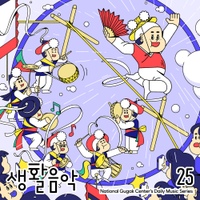 |
국립국악원(National Gugak Center) | |
| 02 | |
국립국악원(National Gugak Center) | |
| 03 | |
국립국악원(National Gugak Center) | |
| 04 | |
국립국악원(National Gugak Center) | |
| 05 | |
국립국악원(National Gugak Center) | |
| 06 | |
국립국악원(National Gugak Center) | |
| 07 | |
국립국악원(National Gugak Center) | |
| 08 | |
국립국악원(National Gugak Center) | |
| 09 | |
국립국악원(National Gugak Center) | |
| 10 | |
국립국악원(National Gugak Center) | |
| 11 | |
국립국악원(National Gugak Center) | |
| 12 | |
국립국악원(National Gugak Center) | |
| 13 | |
국립국악원(National Gugak Center) | |
| 14 | |
국립국악원(National Gugak Center) | |
| 15 | |
국립국악원(National Gugak Center) | |